A pressure washing contractor should have proper insurance, safe cleaning methods, and a clear written scope. Ask how they will treat each surface, protect plants and windows, and control runoff. Compare their answers, equipment, reviews, and work plan before hiring someone for your Gainesville home or business.
A pressure washing contractor is a trained professional who cleans outdoor surfaces with pressurized water. They choose the right tools, soaps, and steps for each surface. This helps remove dirt, mold, and stains without causing damage. The best choice cleans the areas you need while keeping your property safe.
Pressure Washing Gainesville GA cleans homes and small shops across Gainesville. This guide explains how to check skills, tools, insurance, and safety steps. Use it when you compare local contractors in Gainesville and nearby areas.
Table of Contents
- What a pressure washing contractor does—and why the right choice matters
- Credentials to verify: licenses, insurance, and safety training
- The 10 must-ask questions before you hire
- Service scope and methods: matching surfaces, stains, and techniques
- Equipment and quality standards: how pros protect your property
- Estimates, pricing models, and contracts you can trust
- Red flags to avoid—and what service day should look like
- Frequently Asked Questions
- Key takeaways
- Conclusion
What a pressure washing contractor does—and why the right choice matters
A skilled contractor cleans siding, roofs, walkways, decks, fences, and other outdoor areas. They choose the right pressure, spray angle, and soap for each surface. They also protect plants and control runoff near storm drains. Safe access for ladders and hoses is part of the plan.
A poor choice can damage your property. Too much pressure can scar wood, mark concrete, or crack siding. The wrong detergent can strip paint or stain glass. Poor runoff control can move soil and dirty lawns. Water may also enter doors, walls, or vents if the crew skips basic prep.
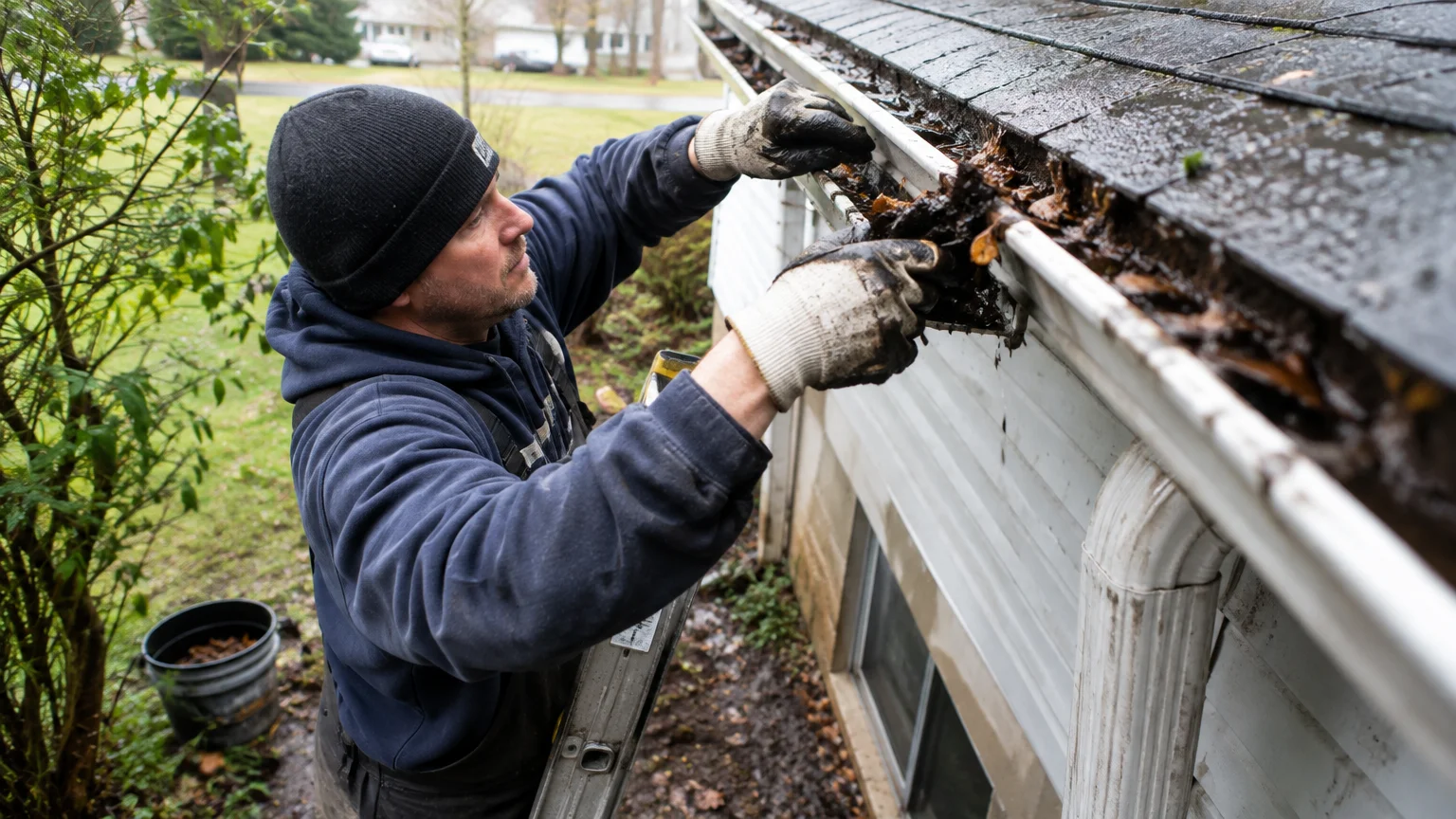
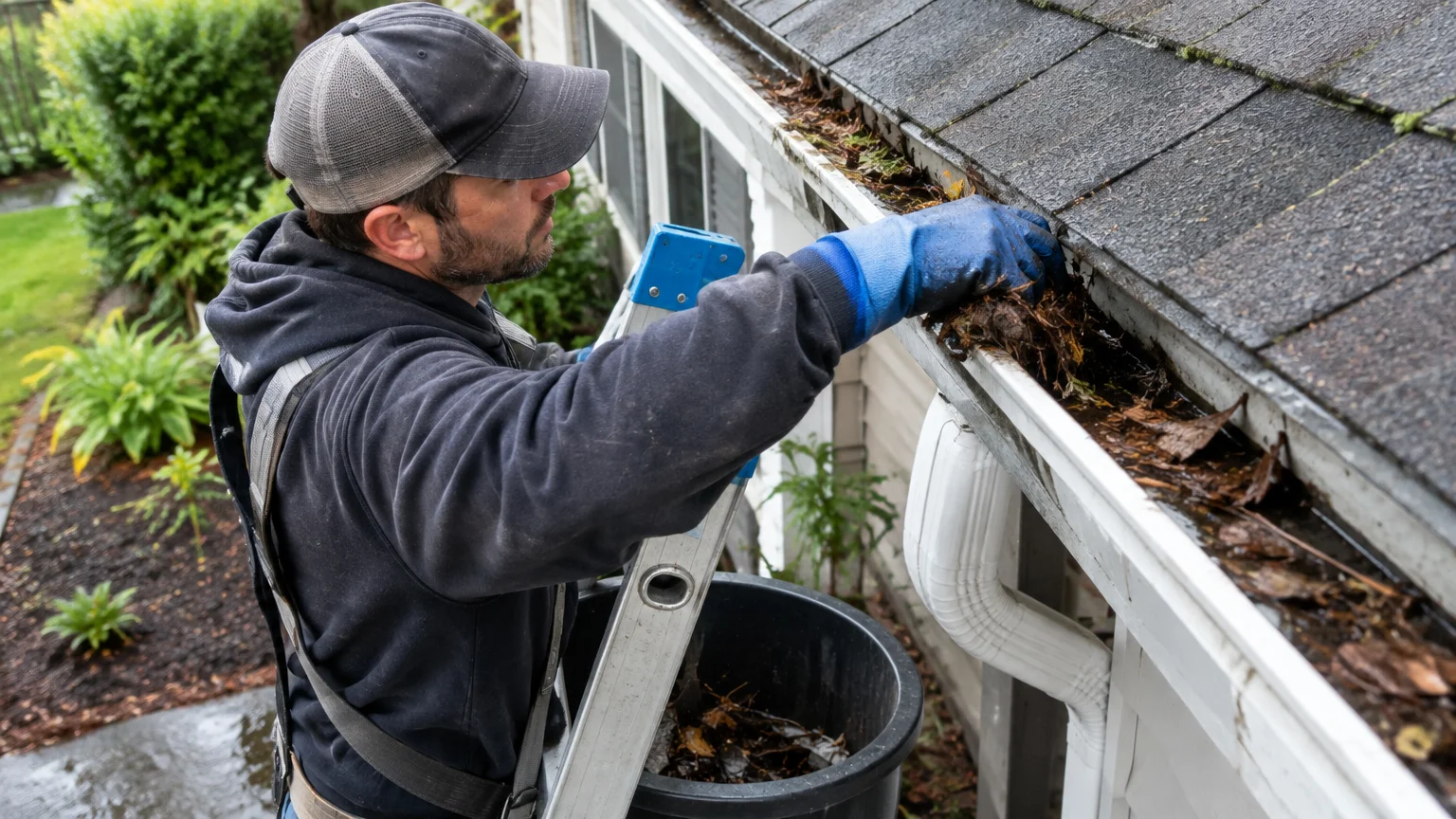
- A work plan may include house washing, roof cleaning, driveway and patio cleaning, pool deck cleaning, and gutter brightening. Some contractors also clean storefronts, parking areas, and trash pads for small shops.
A good contractor asks about your goals before giving a plan. They check paint, sealants, caulk, shade, water access, and drainage. They explain how they will prepare the area and clean up afterward. Cedar siding, old brick, and worn paint may need a special method.
Reviews and job photos can help you compare companies. Ask for recent work on homes or buildings like yours. A strong pressure washing contractor explains what they will do, why it fits the surface, and how they will protect your property. If the answers stay vague, keep looking.
Credentials to verify: licenses, insurance, and safety training
Check the contractor’s records before you book. Many cities and counties require a business license. Ask to see the current license. Confirm general liability insurance, which helps cover property damage, and workers’ compensation, which helps cover crew injuries.
Safety training matters as well. Crews should understand ladder safety and fall protection. They should read chemical labels and safety data sheets. They should know how to protect storm drains and handle wash water under local rules. Wash water can carry soap and grime into drains, so runoff control should be part of the job plan.
Licensing, liability coverage, and workers’ comp explained
A license shows that the business is known to the city or county. Liability coverage may help if a window breaks or paint peels during work. Workers’ compensation may help if a worker gets hurt on site. Ask for proof and check the dates. If the company uses subcontractors, ask for their records too.
Documentation to request before you book
Ask for a current certificate of insurance and any required local license. Request a written scope of work before the job starts. You can also ask for a safety plan for windows, plants, outdoor outlets, and other fragile areas. A list of detergents and mix rates may help you understand the cleaning plan.
The 10 must-ask questions before you hire
Good questions help you find a careful and skilled contractor. Ask these before you sign an agreement. Clear answers show that the crew has a plan. Vague answers should make you pause.
Expertise and process: detergents, PSI/GPM, soft wash vs. pressure
- What method will you use on each surface? Look for soft washing on siding and roofs, with measured pressure on concrete.
- What detergents do you use, and why? Ask how the crew will rinse and protect plants.
- What PSI and GPM will you use? PSI means water force. GPM means gallons per minute, or water flow.
- How will you control runoff and protect storm drains? Covers, berms, or water recovery may be part of the plan.
- Do you have photos or references from similar jobs? Recent examples can show skill and care.
Pricing, guarantees, and scheduling commitments
- What does the written scope include? Ask about pre-soak, scrubbing, rinsing, and post-treatment.
- What happens if a stain does not lift the first time? Look for a clear plan for another treatment.
- What driveway washing prep do you need from me? You may need to move cars, close windows, or clear small items.
- What is the schedule from arrival to cleanup? Ask for a simple start and finish window.
- Is there a workmanship warranty? Ask what it covers and how long the terms last.
Service scope and methods: matching surfaces, stains, and techniques
Each surface needs the right cleaning method. Siding often needs soft washing, which uses low pressure and a cleaning mix. Roofs also need a gentle approach. Concrete and pavers can take more force, but too much pressure may mark the surface or remove joint sand. Wood needs care to prevent raised grain.
Common stains include algae, mold, mildew, rust, tire marks, grease, and tannins. Organic stains often respond to soft washing and the right cleaner. Rust may need a special product and a careful rinse. Grease may need hot water and a degreaser. Tire marks often need time for the cleaner to work, followed by a surface-cleaner pass.
Common surfaces and stain types—and what removes them
- Vinyl siding and stucco: use a soft wash with a mild mix, then rinse from top to bottom.
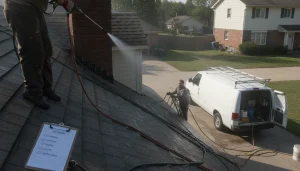
- Asphalt shingles: use soft washing only, since high pressure can harm shingles.
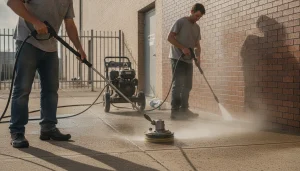
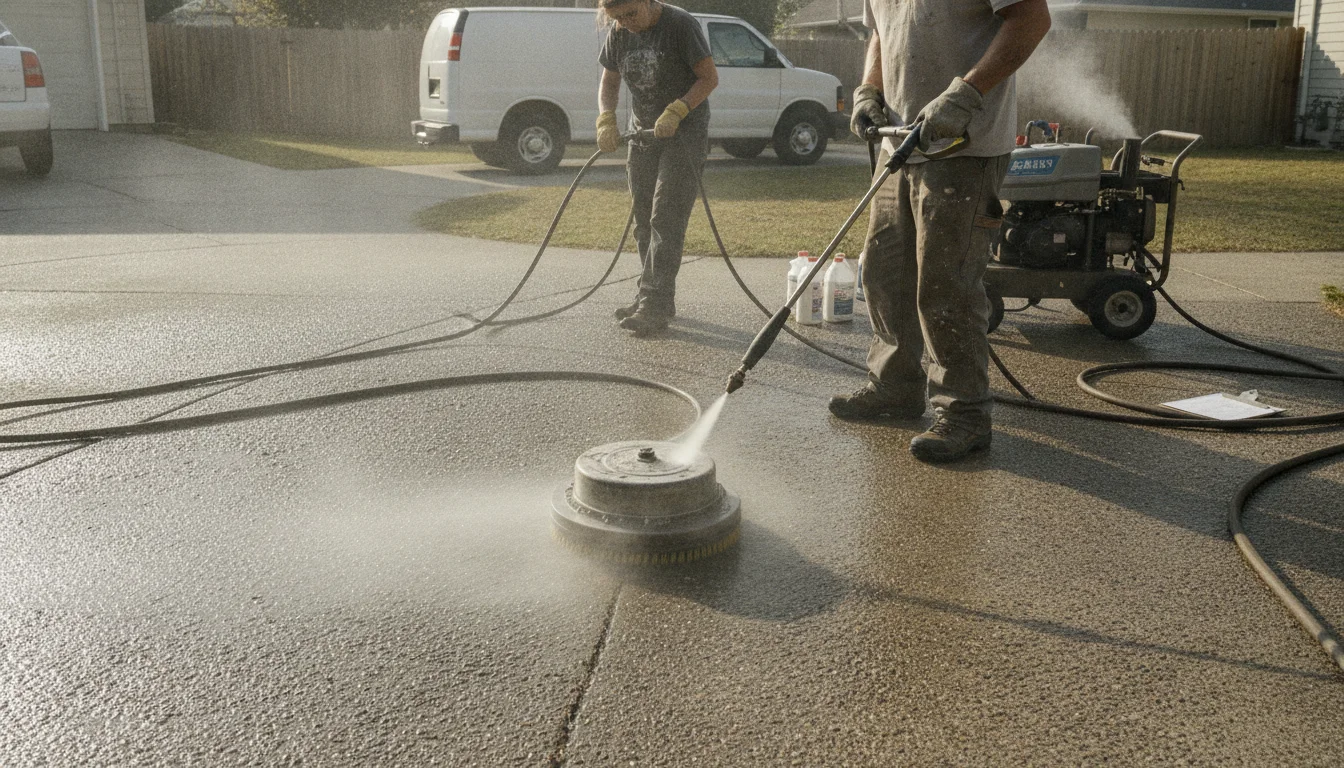
- Concrete driveways: pre-treat stains, use a surface cleaner, and add a post-treatment when needed.
- Decks and fences: use low pressure and a wood-safe cleaner with even strokes.
- Pool decks: use a gentle pass that protects sealers and joints while controlling runoff.
Methods and eco-practices: soft washing, hot water, and runoff control
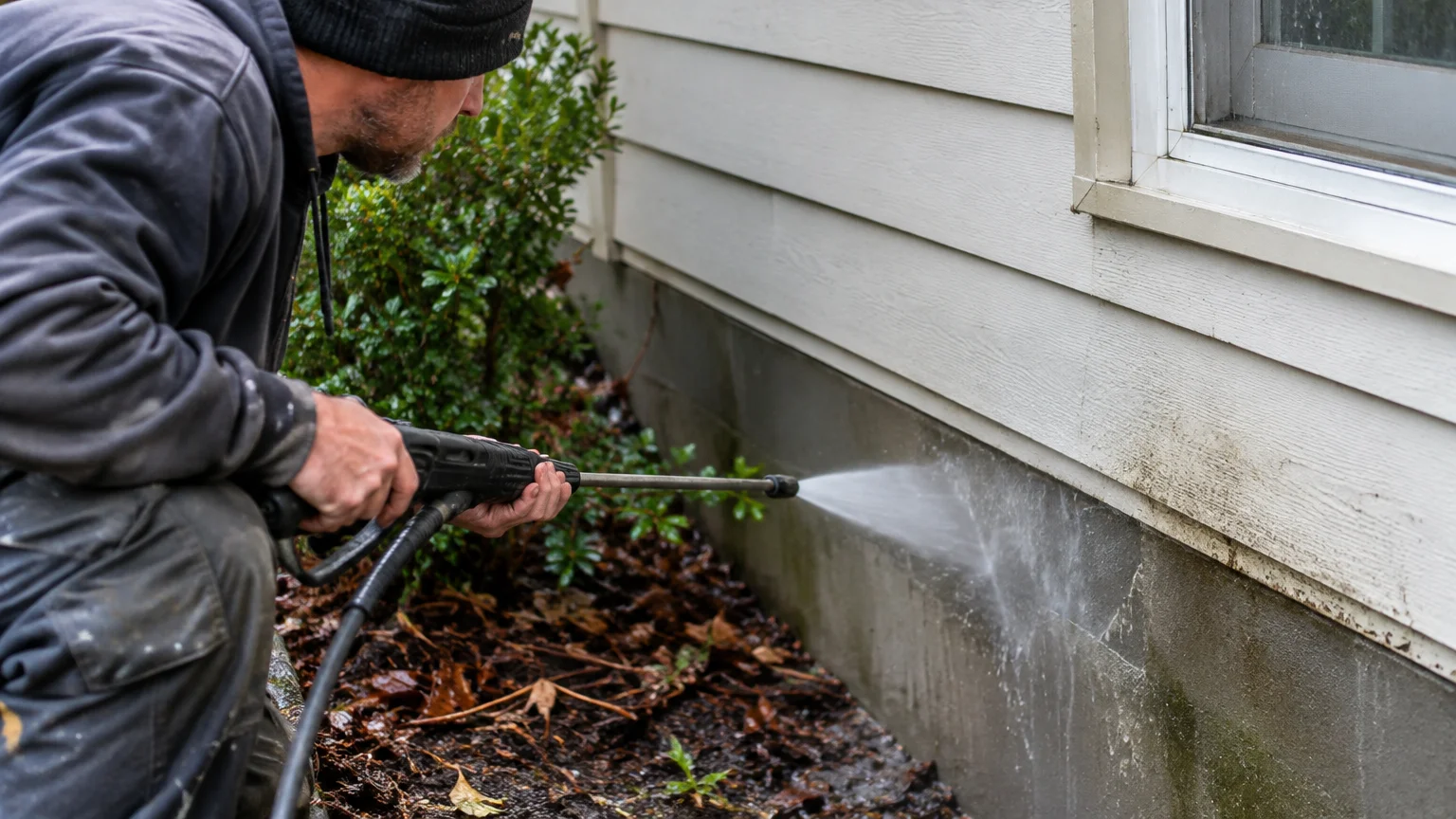
Soft washing uses low force and a detergent blend for fragile areas. Hot water can help remove grease from concrete. Runoff control keeps soap and dirty water away from storm drains. A crew may block drains, recover water, or dispose of it under local rules. Ask how your contractor will follow runoff rules in Gainesville.
Equipment and quality standards: how pros protect your property
Good contractors use equipment that gives steady results. This may include belt-drive pumps, adjustable wands, and surface cleaners for even concrete cleaning. Crews often carry several nozzle types. Wide fan nozzles help with rinsing, while other tips allow gentle reach. Ladders, hose reels, and safety gear also help the crew work safely.
Careful habits matter as much as equipment. Crews should cover outlets and doorbells. They should wet plants before and after using detergent. They should protect wood, seals, and trim. They should avoid spraying close to window seals and flashing. They should also watch wind and sun so soap does not dry on glass or paint.
Pro-grade gear and results: pumps, nozzles, surface cleaners
Pumps with higher GPM can help rinse dirt away. Nozzle choice can reduce force for soft washing or focus it for tough spots. Surface cleaners hold the spray at an even height. This helps limit stripes on concrete. Hot water equipment can help remove oil, gum, and other sticky marks.
Damage prevention for paint, plants, windows, and seals
A careful crew tests a small area first. They avoid high force on paint and rinse plants before and after cleaning. Plant guards may be used when needed. The spray should stay away from window seals and screens. Workers should watch caulk lines, vents, and attic gaps. These steps lower the risk of leaks, peeling, and other damage. Safe ladder setup also protects the crew and your property.
Estimates, pricing models, and contracts you can trust
A clear scope helps prevent confusion. It should list the areas to clean, the methods, and any stain treatment. It should also note detergent types and steps for protecting plants and property. Access needs should be clear, including water access and gate entry. The agreement should say who moves items from a deck or patio.
Contractors may consider surface size, soil level, height, access, and stain type when preparing an estimate. Two-story work and steep roofs may need more time and safety gear. Corners, stairs, and railings also require care. Pressure washing costs vary by the work involved, so ask what factors shape the estimate rather than relying on a general promise.
What to expect in a written estimate, timeline, and warranty
Expect a written estimate with:
- The surfaces to clean and notes about trouble spots.
- Prep steps for you and the cleaning crew.
- A start window, expected work time, and cleanup plan.
- Any workmanship warranty, with terms written in plain words.
For larger jobs, ask for a simple schedule by day or area. Many home and small-shop jobs can be planned around one service visit, but the contractor should confirm the expected timing. Keep the estimate and warranty with your property records. For broader needs, review our pressure washing services or Commercial Pressure Washing in Gainesville, GA.
Red flags to avoid—and what service day should look like
Some signs suggest that a contractor may not be ready for your job. Watch for missing insurance records, no written estimate, or pushy sales talk. Be careful with anyone who says one method works for every surface. A contractor should be able to name the detergents they use and explain runoff control.
Warning signs that signal risk before you sign
- A vague scope that says “whole house” without clear details.
- No plan for plants, windows, outdoor outlets, or storm drains.
- High-pressure cleaning offered for every roof and siding job.
- Refusal to test a small area before full cleaning.
- No local references for similar homes or buildings.
From arrival to final walkthrough: prep, cleanup, and aftercare
On service day, a professional should walk the property with you. They should confirm the scope and set protection in place. The crew may wet plants, cover outlets, and check windows. They should pre-treat stains, use the correct spray angle, and rinse well.
The crew should manage runoff so dirty water does not enter storm drains. Storm drains can lead to local streams and lakes, so this step matters. After cleaning, workers should remove covers, rinse plants again, and collect hoses. A final walkthrough gives you a chance to point out spots that need another look.
For more information about cleaning methods, read the Professional Pressure Washing Guide for Homes & Businesses. Larger properties may also benefit from Building Washing Services in Gainesville, GA.
Pressure Washing Gainesville GA serves homes and small shops with clear steps and careful work. The team can explain its safety process and the detergents used for your property. You can also learn more through About Our Pressure Washing Team in Gainesville, GA.
Frequently Asked Questions
Does soft washing damage stucco?
Soft washing uses low pressure with a gentle cleaner. It is suitable for stucco when a trained crew uses the right mix and spray. The cleaner should be mild, the spray should be wide, and the surface should be rinsed before it dries. High force can gouge stucco or push water into cracks.
How often should you soft wash your house?
Many homes need cleaning every 12–24 months. Shady walls, roof drip lines, and areas near trees may need care sooner. Homes near busy roads or lakes may collect grime faster. A yearly check can help you choose a useful cleaning plan.
Who pressure washes houses?
A pressure washing contractor cleans homes, roofs, decks, driveways, and other outdoor areas. They use soft washing for delicate surfaces and measured pressure for concrete. They should also handle plant care, runoff control, and ladder safety. Check for training, insurance, and clear job photos before hiring.
How do you clean cedar siding?
Cedar needs a gentle method. Use low pressure with a wood-safe cleaner and work with the grain. Rinse well and avoid holding the spray in one place. A contractor may combine soft washing with a brush for stubborn spots. Let the wood dry before applying a seal or stain.
Can roof cleaning hurt shingles?
High pressure can lift shingle granules or break the edges. Proper roof cleaning uses a soft wash with a shingle-safe mix and a full rinse. Choose a contractor who avoids high force on roofs. They should explain each step before work begins.
Key takeaways
- Match the method to the surface. Use soft washing for siding and roofs, and measured pressure for concrete.
- Check protection first. Confirm insurance, licenses, and safety training before booking.
- Ask clear questions. The contractor should explain methods, detergents, runoff, and warranty terms.
- Request a written plan. The scope, prep, schedule, and cleanup steps should be easy to understand.
- Watch for red flags. Vague answers and one method for every surface can signal risk.
Conclusion
Choosing the right pressure washing contractor is about safe methods and careful work. Look for clear answers, proper insurance, suitable equipment, and a written scope. For properties Pressure Washing Gainesville GA can help you plan the right service for your home or small business. Contact us.
If you are not sure what you are dealing with, it is worth having someone look at it before it turns into a bigger job. Get in touch with Pressure Washing Gainesville GA today and we will tell you where you stand.